The Season of Lent at Faith
The Season of Lent at Faith
Each year, the Church is given a gift: forty days to slow down and prepare our hearts for Easter. Lent leads us toward the cross before we arrive at the empty tomb, inviting honesty about our limits, our mortality, and our deep need for grace. We begin on Ash Wednesday, when ashes are traced on our foreheads and we hear the ancient words, “Remember that you are dust, and to dust you shall return.” In a world that teaches us to avoid weakness and rush past sorrow, Lent teaches us to pay attention—to our lives, to our need, and to the God who meets us there.
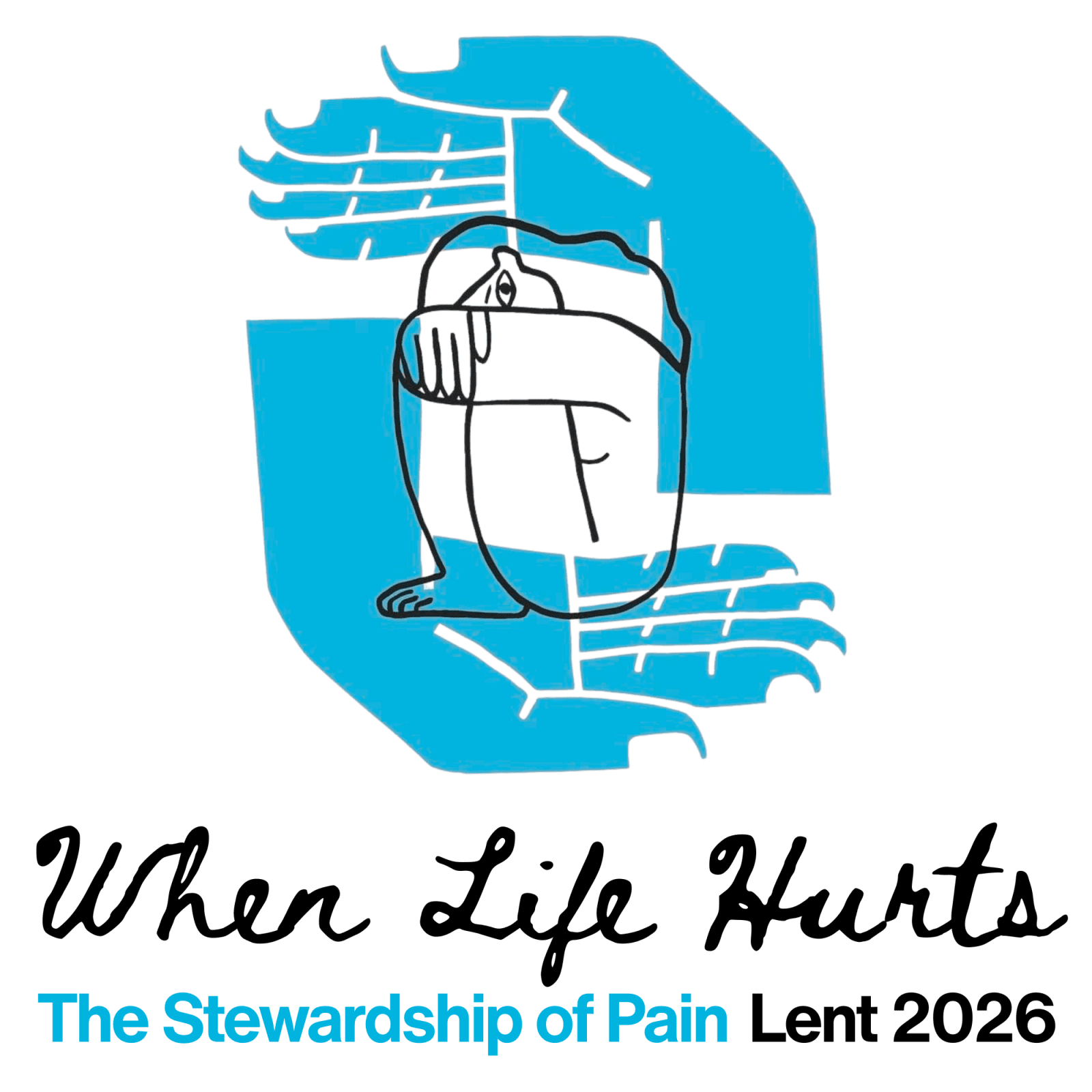
When Life Hurts: The Stewardship of Pain
From Pastor Mary Alice
Several years ago, I came across a sermon by Frederick Buechner that profoundly reshaped how I understand pain—both my own and the pain of the world. I have carried his words with me ever since:
“We are never more alive to life than when it hurts—never more aware both of our own powerlessness to save ourselves and of at least the possibility of a power beyond ourselves to save us and heal us if we can only open ourselves to it.
We are never more aware of our need for each other, never more in reach of each other if we can only bring ourselves to reach out and let ourselves be reached…
Being a good steward of your pain involves all those things, I think. It involves being alive to your life… at no time more than at a painful time do we live out of the depths of who we are instead of out of the shallows.”
We live in a culture that trains us to anesthetize our wounds. We deny them. We distract ourselves from them. We minimize them. We spiritualize them too quickly. We push through, power up, and pretend we are fine. But what if we spent the season of Lent learning to become stewards of our pain instead?
To steward pain does not mean to glorify it. It does not mean to wallow in it. And it certainly does not mean God causes the pain we experience in life. Rather, stewardship means we pay attention. We listen. We allow our wounds to become places of honesty before God instead of hiding places from God and from the world.
Pain has a way of revealing what is most true: our limits, our longings, our need for one another, and our need for grace. And it is precisely there—in our limits and longing—that God meets us.
Jesus was no stranger to pain. Scripture describes him as “a man of sorrows, acquainted with grief” (Isaiah 53:3). He knew rejection. He knew betrayal. He knew physical suffering. He knew the ache of unanswered prayer in the garden. He knew what it felt like to cry out, “My God, why have you forsaken me?” And the cross tells us that God does not stand at a distance from suffering. God enters it.
This Lent, we will journey with Jesus toward the cross by paying attention to our pain—personal and collective. Not to be consumed by it, but to encounter Christ within it. Because when we dare to bring our pain into the light, we often discover something surprising: Hope is not found by avoiding the wound. It is found by meeting God in the midst of it.